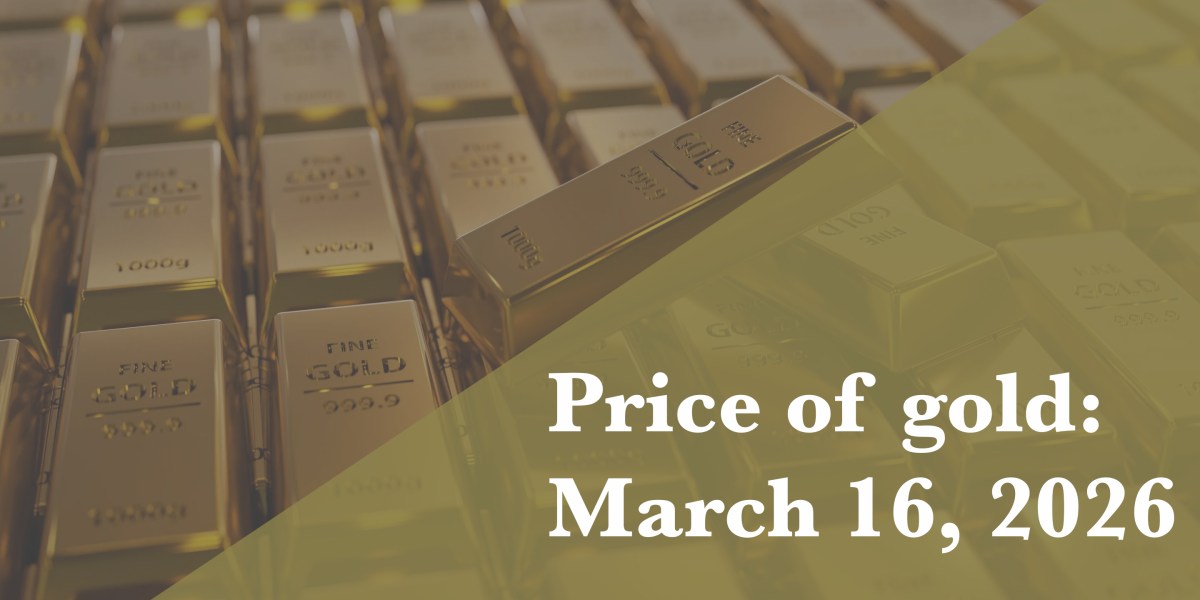
Gold strengthens ahead of jobs report
Gold () futures opened at $3,369 per ounce Thursday, up 0.6% from Wednesday’s close of $3,348. The gold price has remained below $3,400 since June 16, 2025.
Investors are awaiting the June jobs report release Thursday, expected to show slightly higher unemployment and fewer new hires vs. the prior month. Signs of a weakening U.S. labor market may expedite interest rate cuts by the Fed. Stock prices can rise when investors expect quicker rate declines, but a slowdown in jobs could dampen the optimism for stocks and increase demand for gold instead.
Yahoo Finance video:
The opening price of gold futures on Thursday is up 0.6% from Wednesday’s close of $3,348 per ounce. Thursday’s opening price marks an increase of 1.1% over the past week, compared to the opening price of $3,332.40 on June 26. In the past month, the gold futures price has fallen 0.5% compared to the opening price of $3,385.10 on June 3, 2025. This has only been the second monthly decline we’ve observed since the start of June. In the past year, gold is up 44.5% from the opening price of $2,330.90 on July 3, 2024.
24/7 gold price tracking: Don’t forget you can monitor the current price of gold on Yahoo Finance 24 hours a day, seven days a week.
Want to learn more about the current top-performing companies in the gold industry? Explore a list of the top-performing companies in the gold industry using the Yahoo Finance Screener. You can create your own screeners with over 150 different screening criteria.
Investing in gold is a four-step process:
-
Set your goal.
-
Set an allocation.
-
Choose a form.
-
Consider your investment timeline.
After deciding why you want to invest in gold and selecting the size and form of your gold investment, consider your investment timeline as a final suitability check.
Gold can be volatile. It has demonstrated extended periods of decline in the past. Extended periods of decline are not acceptable if your timeline is short. The risk is too great that gold’s price will be down when you need to liquidate.
An extended holding period provides greater potential for reaching your investment goals. As an example, hedging against stock market declines or inflation is a long-term effort. These outcomes will continue to be risks as long as you own stocks or cash deposits. Holding gold as insurance against an economic calamity requires you to keep the asset until you need it.
Learn more:
A small gold position can act as a stabilizer for your stock portfolio and your purchasing power. If you choose physical gold stored at home, it can also stand in as currency in the worst of economic crises. Just know that gold has underperformed stocks in the past, so choose your target allocation accordingly.
Learn more:
Whether you’re tracking the price of gold since last month or last year, the price-of-gold chart below shows the precious metal’s steady upward climb in value.
Historically, gold has shown extended up cycles and down cycles. The precious metal was in a growth phase from 2009 to 2011. It then trended down, failing to set a new high for nine years.
In those lackluster years for gold, your position will negatively impact your overall investment returns. If that feels problematic, a lower allocation percentage is more appropriate. On the other hand, you may be willing to accept gold’s underperforming years so you can benefit more in the good years. In this case, you can target a higher percentage.
The precious metal has been in the news lately, and many analysts are bullish on gold. In May, Goldman Sachs Research predicted gold would reach $3,700 a troy ounce by year-end 2025. That would equate to a 40% increase for the year, based on gold’s January 2 opening price of $2,633. Rising demand from central banks, along with uncertainty related to changing U.S. tariff policy, are the factors driving the increase.
If you are interested in learning more about gold’s historical value, Yahoo Finance has been tracking the historical price of gold since 2000.
link