
Pallet Racking Systems Insights for Better Warehouse Storage
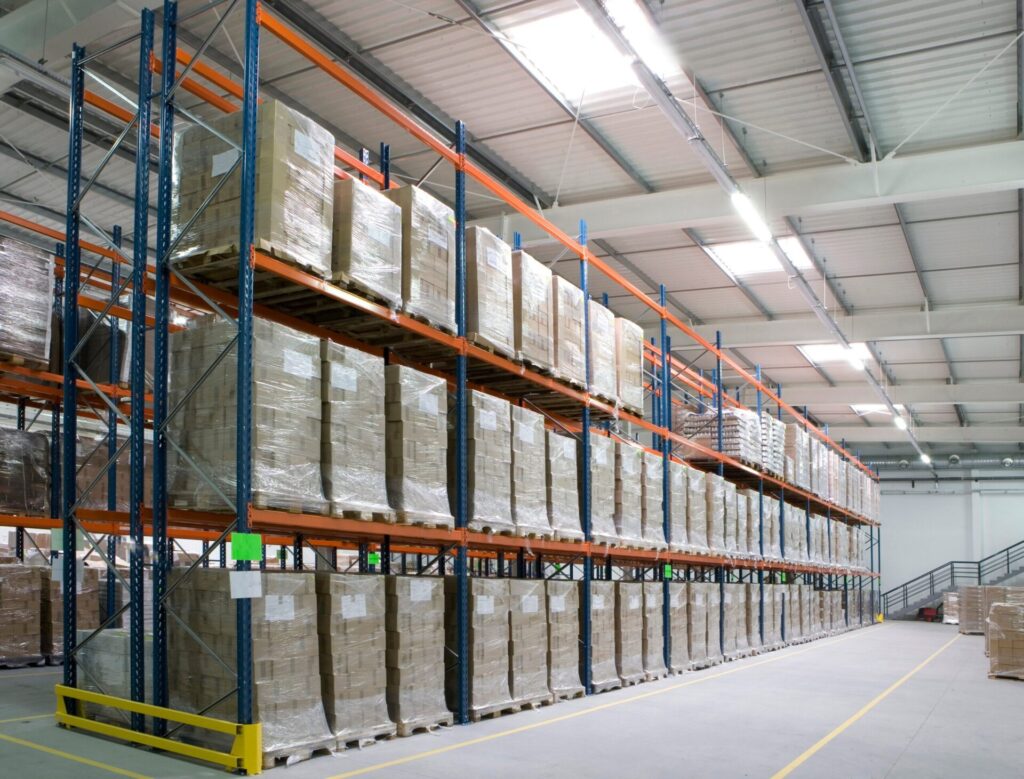
Efficient storage solutions are critical for warehouse operations, and pallet racking systems have become a cornerstone in this domain. This article explores the concept of pallet racking systems, their components, functionality, and the importance of professional installation. Additionally, it differentiates between pallet racking and heavy-duty racking to provide a comprehensive understanding of these essential storage solutions.
What is a Pallet Racking System?
A pallet racking system is a type of storage solution designed to hold materials on pallets (also known as skids). These systems are commonly used in warehouses, distribution centers, and manufacturing facilities to maximize space utilization and improve inventory management. Pallet racking systems allow for the efficient storage of goods by utilizing vertical space, making it easier to store and retrieve items as needed.
How Does a Pallet Racking System Work?
Pallet racking systems work by providing a framework of horizontal rows and vertical columns that create multiple levels of storage. Goods are placed on pallets and then stored on these levels using material handling equipment such as forklifts. The system is designed to provide easy access to each pallet, facilitating efficient inventory management and quick retrieval of goods.
Components of a Pallet Racking System
A pallet racking system is composed of several key components:
Uprights
Uprights, or upright frames, are the vertical support columns of the racking system. They are essential for bearing the weight of the stored goods and are available in various heights and load capacities to suit different storage needs.
Beams
Beams are the horizontal support structures that connect the uprights and hold the pallets. They come in different lengths and load capacities, ensuring that the system can support various types of goods.
Decking
Decking provides the surface on which the pallets rest. Common types of decking include wire mesh decking, solid steel decking, and wooden decking. Each type of decking offers different benefits, such as increased load capacity or better ventilation.
Braces
Braces are diagonal or horizontal supports that provide additional stability to the racking system. They are typically used to reinforce the uprights and ensure the overall structural integrity of the system.
Base Plates and Anchors
Base plates and anchors secure the racking system to the warehouse floor, preventing movement and ensuring stability. Proper anchoring is crucial for the safety and reliability of the system.
Why Hire a Professional to Install Your Pallet Racking System
Professional installation of a pallet racking system is essential for several reasons:
Expertise and Precision
Professional installers have the expertise and experience required to assemble and install pallet racking systems correctly. They understand the specific requirements and can ensure that the system is configured to maximize space and efficiency.
Compliance with Safety Standards
Professionals are knowledgeable about safety regulations and standards that apply to racking systems. They can ensure that the installation meets all relevant codes, reducing the risk of accidents and ensuring the safety of warehouse staff.
Load Capacity Calculation
Professional installers can accurately calculate the load capacity of the racking system, ensuring that it can safely support the intended weight. This helps prevent overloading and potential rack failure.
Efficient Installation Process
Professional installation teams have the tools and equipment needed to complete the installation efficiently, minimizing downtime and disruption to warehouse operations. This allows businesses to resume normal activities as quickly as possible.
Warranty and Support
Many racking system manufacturers offer warranties that require professional installation. By hiring a professional, businesses can ensure that they are covered by the warranty and have access to ongoing support and maintenance services.
Difference Between Pallet Racking and Heavy Duty Racking
While both pallet racking and heavy-duty racking systems are designed for industrial storage, there are key differences between the two:
Load Capacity
Pallet Racking: Pallet racking systems are designed to store goods on pallets and typically have a moderate load capacity. They are suitable for storing a wide range of products but may not be ideal for extremely heavy or bulky items.
Heavy Duty Racking: Heavy duty racking systems are designed to support significantly heavier loads. They are constructed from high-strength materials and are ideal for storing large, bulky, or heavy items that exceed the load capacity of standard pallet racking systems.
Design and Structure
Pallet Racking: Pallet racking systems are versatile and can be configured in various ways to accommodate different storage needs. They often feature adjustable beams and can be customized with different types of decking and accessories.
Heavy Duty Racking: Heavy duty racking systems are more robust and may feature reinforced components such as thicker uprights and beams. They are designed to provide maximum stability and support for heavy loads, often with additional bracing and anchoring for enhanced safety.
Applications
Pallet Racking: Pallet racking systems are commonly used in warehouses, distribution centers, and manufacturing facilities to store a wide variety of goods. They are ideal for environments where inventory turnover is high and items need to be easily accessible.
Heavy Duty Racking: Heavy duty racking systems are used in industries that require the storage of large, heavy, or bulky items, such as automotive, aerospace, and construction. They are suitable for applications where heavy loads need to be stored securely and accessed less frequently.
Conclusion
Pallet racking systems are essential for efficient storage and inventory management in warehouses and other industrial settings. By utilizing vertical space and providing a structured layout, these systems improve organization, accessibility, and safety. Key components of a pallet racking system include uprights, beams, decking, braces, and base plates, all of which work together to create a sturdy and reliable storage solution.
Hiring a professional to install your pallet racking system ensures that the system is configured correctly, complies with safety standards, and can safely support the intended load. Professional installation also minimizes downtime and disruption, allowing businesses to maintain smooth operations.
While pallet racking and heavy-duty racking systems serve similar purposes, they differ in load capacity, design, and applications. Pallet racking systems are versatile and suitable for a wide range of goods, while heavy-duty racking systems are specifically designed to support extremely heavy loads.
By understanding the benefits and differences of these racking systems, businesses can make informed decisions that enhance their storage capabilities and overall operational efficiency. Whether you require a standard pallet racking system or a heavy-duty solution, investing in the right racking system is crucial for optimizing warehouse storage and ensuring the safe and efficient management of inventory.